
The department of Biotechnology Engineering is dedicated to providing students with a broad range of real-world opportunities. It offers undergraduate programs in Medical Biotechnology, Bioinformatics and Food Technology Engineering.
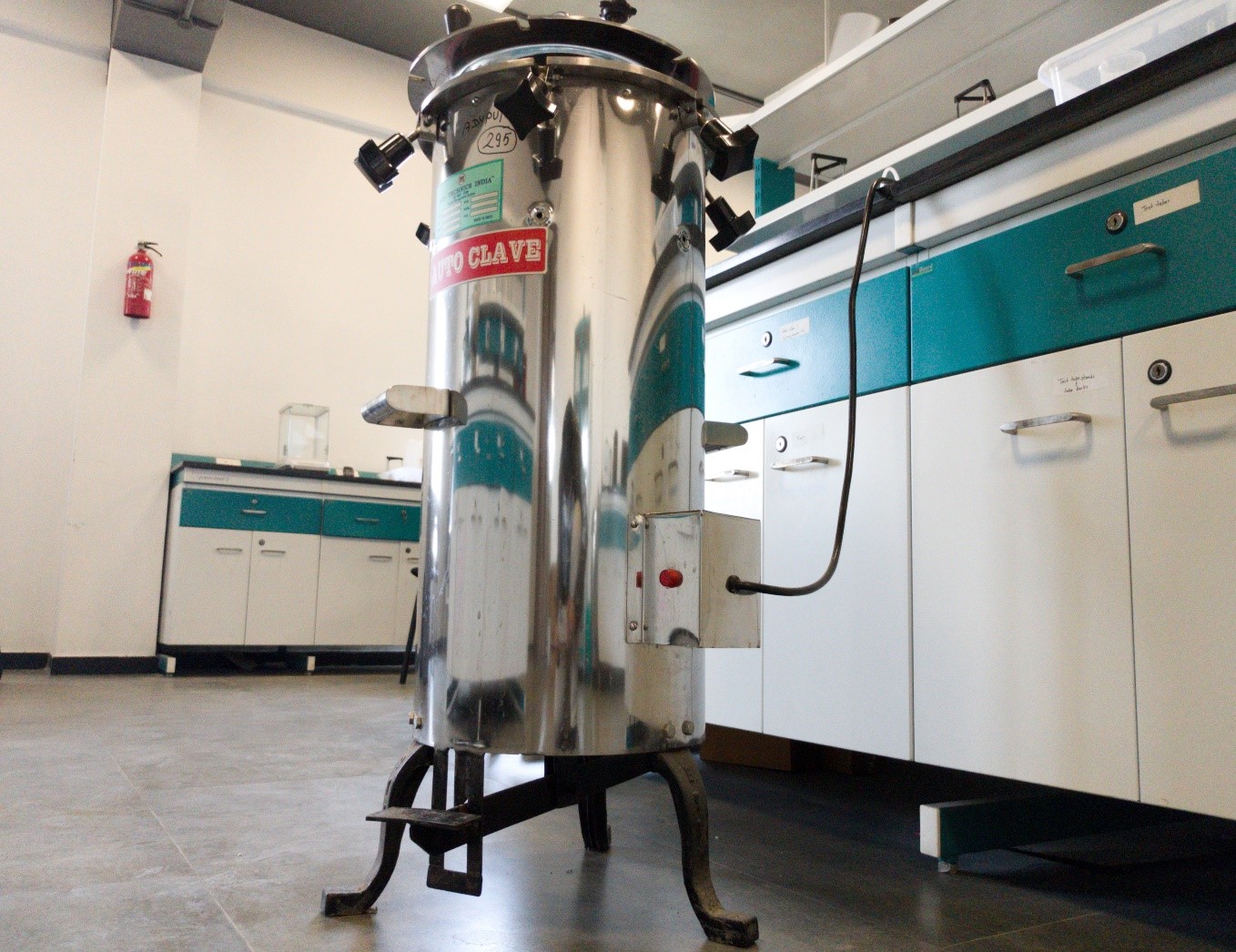
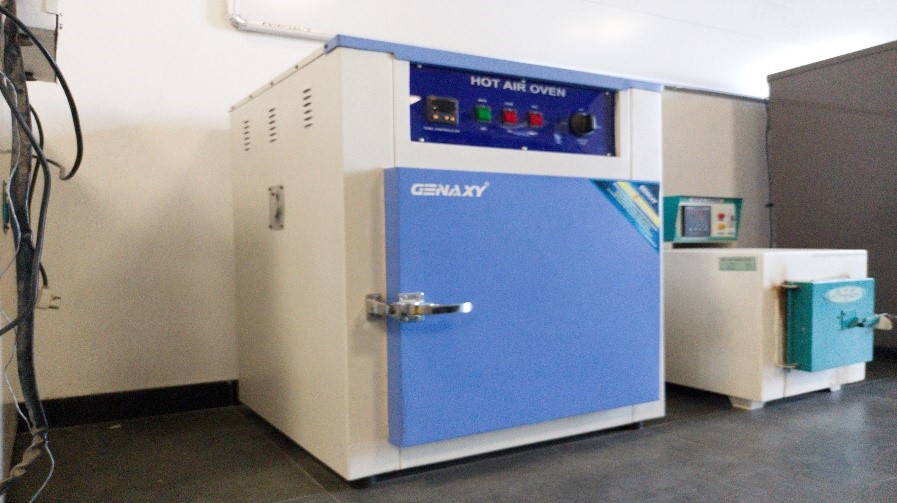
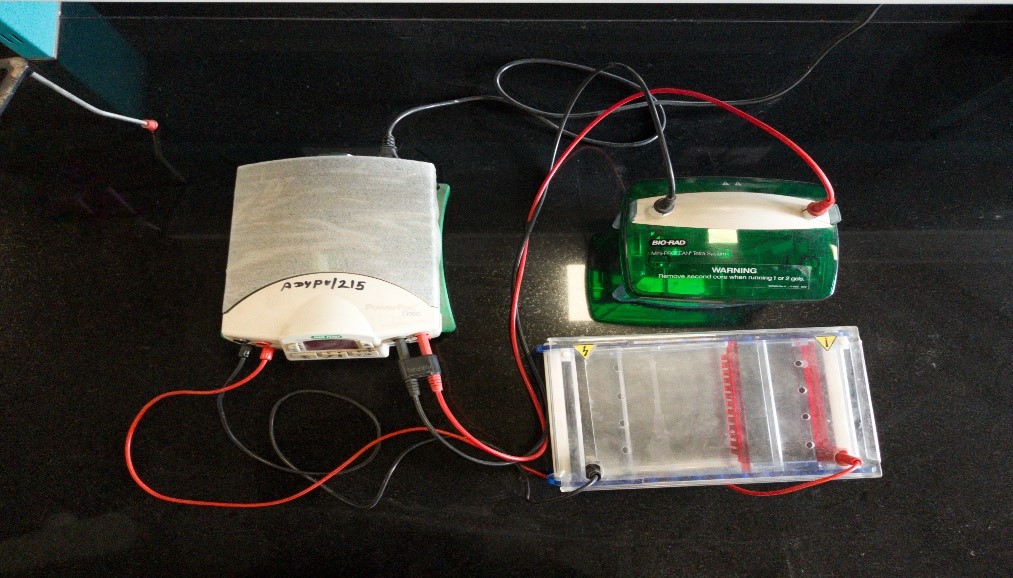
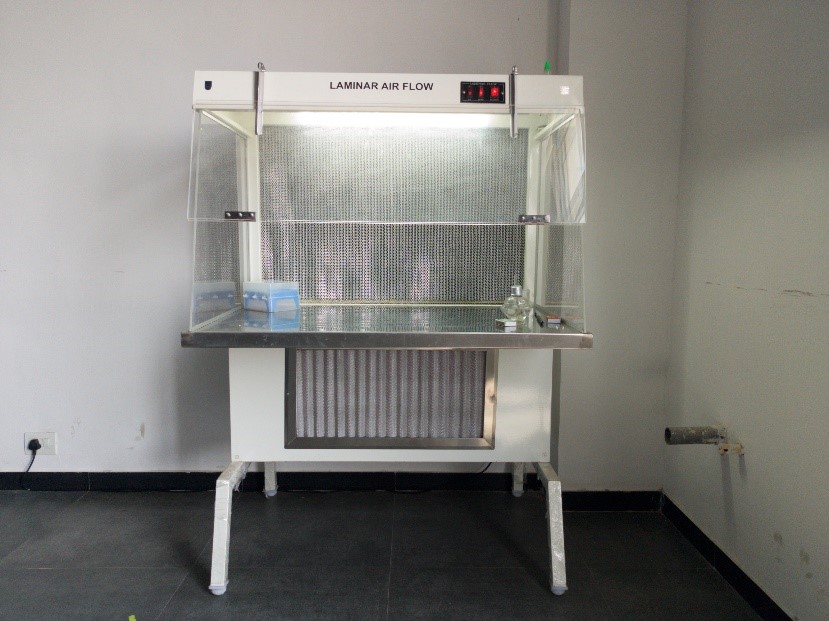
The department is equipped with modern technology to empower students to compete on a global scale. The department aims to instill strong values and practical skills in its students. The department houses a variety of specialized laboratories including the Bioengineering Lab, Bioinformatics and computational biology Lab, Food Technology Lab and the Host-Microbe Interaction lab (Funded by DST). Faculty members and students have published numerous research papers and book chapters in Scopus indexed peer-reviewed journals and academic publications. Additionally, both students and faculty have secured national and international patents.
The Department of Biotechnology Engineering has signed Memorandums of Understanding with various industries to facilitate collaborative research and real-time training opportunities for students. The department maintains a consistent track record of student placements and opportunities for higher studies abroad (University of Leeds, Lithuanian University of Health Sciences, University of Technology Sydney, University of Birmingham, North eastern University etc.,).
To be recognized as a center of excellence for Biotechnology Engineering education of international standards, research and innovation benefiting society.
To educate, prepare and mentor students to excel as professionals and grow throughout their careers in the field of Biotechnology Engineering. This can be accomplished by:
Engineering knowledge: Apply the knowledge of mathematics, science, engineering fundamentals, and an engineering specialization to the solution of complex engineering problems.
Problem analysis: Identify, formulate, review research literature, and analyze complex engineering problems reaching substantiated conclusions using first principles of mathematics, natural sciences, and engineering sciences.
Design/development of solutions: Design solutions for complex engineering problems and design system components or processes that meet the specified needs with appropriate consideration for the public health and safety, and the cultural, societal, and environmental considerations.
Conduct investigations of complex problems: Use research-based knowledge and research methods including design of experiments, analysis and interpretation of data, and synthesis of the information to provide valid conclusions.
Modern tool usage: Create, select, and apply appropriate techniques, resources, and modern engineering and IT tools including prediction and modeling to complex engineering activities with an understanding of the limitations.
The engineer and society : Apply reasoning informed by the contextual knowledge to assess societal, health, safety, legal and cultural issues and the consequent responsibilities relevant to the professional engineering practice.
Environment and sustainability : Understand the impact of the professional engineering solutions in societal and environmental contexts, and demonstrate the knowledge of, and need for sustainable development.
Ethics :Apply ethical principles and commit to professional ethics and responsibilities and norms of the engineering practice.
Individual and teamwork : Function effectively as an individual, and as a member or leader in diverse teams, and in multidisciplinary settings.
Communication: Communicate effectively on complex engineering activities with the engineering community and with society at large, such as, being able to comprehend and write effective reports and design documentation, make effective presentations, and give and receive clear instructions.
Project management and finance: Demonstrate knowledge and understanding of the engineering and management principles and apply these to one’s own work, as a member and leader in a team, to manage projects and in multidisciplinary environments.
Lifelong learning : Recognize the need for, and have the preparation and ability to engage in independent and life-long learning in the broadest context of technological change.
Graduates will develop a strong foundation in biological sciences, engineering principles, and biotechnology tools to address real-world problems in fields such as healthcare, agriculture, environment, and industrial biotechnology.
Graduates will apply analytical skills, innovative thinking, and interdisciplinary approaches to design, develop, and optimize biotechnological processes and products.
To instill a sense of responsibility for ethical practices, environmental sustainability, and societal contributions while addressing the implications of biotechnological advancements.
To enable graduates to work effectively as individuals and in interdisciplinary teams, demonstrating leadership, communication, and project management skills in professional and community settings.
Graduates will apply biotechnological principles and advanced tools to design and develop innovative diagnostics, therapeutics, and biomedical solutions for healthcare challenges.
Graduates will apply biotechnological tools and techniques to innovate and optimize food production, processing, and preservation, ensuring safety, quality, and sustainability.
| Sr. No. | Name of Faculty | Designation | Profile |
| 1 | Dr. Shankar Khade | Program Head, Associate Professor | View Profile |
| 2 | Dr. Nawneet Kurrey | Professor | View Profile |
| 3 | Dr. Mohammed Shabab | Associate Professor | View Profile |
| 4 | Dr. Muthu Sankar Aathi | Assistant Professor | View Profile |
| 5 | Dr. Shweta Ukey | Assistant Professor | View Profile |
| 6 | Prof. Ranjit Kumar | Assistant Professor | View Profile |
| 7 | Prof.Prasanna Bhalerao | Assistant Professor | View Profile |



| Sr. No. | List of Innovative Practices Implemented in the Teaching and Learning Process | Click Here |
| 1 | Preparation of Vitamin rich Fruit Jam – Simulation-Based Product Formulation Activity | View |
| 2 | “Food Molecule Match-Up” – A Collaborative Molecular Card Game for Learning Food Chemistry | View |
| 3 | “Preparation of Fruit Confection” – Simulation-Based Confectionery Formulation Challenge | View |
| 4 | Jumping Concepts – An Interactive Kinesthetic Learning Approach | View |
| 5 | “Layout Lab” – Simulation-Based Plant Design Challenge | View |
| 6 | BioPerl Programming | View |
| 7 | Project and model making based learning: Biology of Living cells | View |
| 8 | Storytelling & Narrative-Based Learning | View |
| 9 | Experiential Learning, Peer Interaction, Multimodal & Visual-Aided Teaching, Project-Based Learning | View |
| 10 | Narrative and Experiential Learning to Data-Driven and Constructivist Instruction | View |
| 11 | Integrating Global Standards and Local Practices in Food Law Education Through Narrative and Scientific Analysis | View |
| 12 | Bridging Traditional and Modern Nutraceutical Education: A Multimodal, Case-Based, and Interdisciplinary Teaching Approach | View |
| 13 | 3D Study Model-Based Lab Discovery Activity | View |
| 14 | Intellectual Property Rights and Biosafety | View |
| 15 | Bio-Informatics and Biostatistics | View |
| 16 | Analyzing Human Genome Data for Disease Prediction | View |
| 17 | Health Talk - Heat Stroke | View |
| 18 | Generation of Nerve Impulse and Reflex Arc action potential generation | View |